blog details
blog details
blog details
Explore trusted listings, compare amenities, and secure your next home with confidence.
Explore trusted listings, compare amenities, and secure your next home with confidence.
Explore trusted listings, compare amenities, and secure your next home with confidence.

Rewiring

By
Michael Thompson
Rewiring
By
Michael Thompson
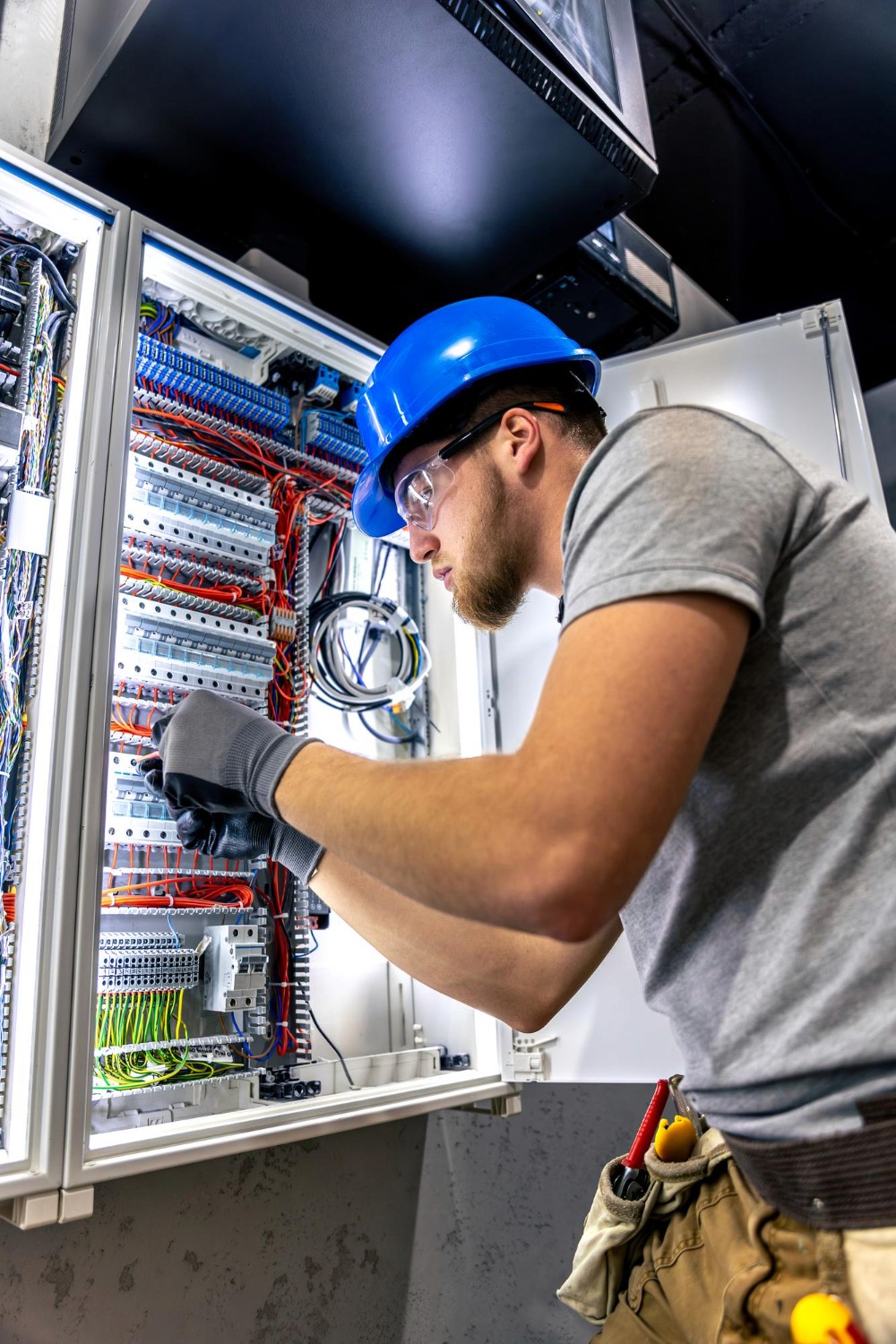
Why Your Home Needs a Complete Electrical Rewiring.
Your home's electrical system is the invisible network that powers your daily life, from morning coffee to late-night entertainment. Yet, many homeowners live with outdated, potentially dangerous wiring installed decades ago when electrical demands were a fraction of what they are today. If your home was built before 1980, there's a significant chance your electrical system hasn't kept pace with modern safety standards and power requirements. Flickering lights, frequently tripped breakers, discolored outlets, and that faint burning smell are more than minor annoyances—they're warning signs of serious electrical problems that could put your family and property at risk. In this comprehensive guide, we'll explore why electrical rewiring is one of the most critical home improvements you can make, the telltale signs that your wiring needs attention, and what the rewiring process actually involves.
Understanding the Lifespan of Wiring
Electrical wiring doesn't last forever. Most electrical systems have a functional lifespan of 30-40 years, after which the insulation around wires begins to deteriorate, connections loosen, and the entire system becomes increasingly unreliable and hazardous. Homes built in the 1960s and 70s often contain aluminum wiring, which expands and contracts with temperature changes, creating loose connections that can spark fires. Even older homes may still have knob-and-tube wiring, a primitive system that lacks grounding and cannot safely handle modern electrical loads. Beyond age, the quality of the original installation matters tremendously—work done by unlicensed handymen or using substandard materials accelerates deterioration. Additionally, renovations and additions over the years often result in haphazard modifications that compromise system integrity. Understanding your wiring's age and type is the first step in assessing whether rewiring is necessary.
The Warning Signs: When to Consider Rewiring
Your home communicates its electrical distress through various warning signs that should never be ignored. Frequent circuit breaker trips indicate your system is overloaded and struggling to meet demand. Flickering or dimming lights, especially when appliances turn on, suggest inadequate wiring unable to maintain consistent voltage. Discolored or warm outlets and switch plates indicate dangerous heat buildup from poor connections or overloaded circuits. A persistent burning smell or the sight of sparks from outlets demands immediate attention, as these are clear fire hazards. If you're relying on extension cords and power strips throughout your home because you lack sufficient outlets, your electrical system is inadequate for modern living. Buzzing sounds from outlets or switches, shocks when touching appliances, and the inability to run multiple appliances simultaneously all point to wiring problems. Perhaps most concerning is an electrical panel filled with outdated fuses rather than modern circuit breakers, or a panel that feels warm to the touch. These signs collectively indicate a system that's not just inconvenient but genuinely dangerous.
The Safety and Financial Benefits of Rewiring
Investing in complete electrical rewiring delivers both immediate safety improvements and long-term financial benefits. The primary advantage is fire prevention—faulty wiring causes approximately 51,000 home fires annually, resulting in hundreds of deaths and over a billion dollars in property damage. New wiring with modern insulation, proper grounding, and adequate circuit capacity virtually eliminates this risk. Beyond safety, rewiring significantly increases your home's value and marketability. Home inspections routinely flag outdated electrical systems, often becoming deal-breakers for potential buyers or requiring substantial price reductions. A modern, code-compliant electrical system is a major selling point. Rewiring also dramatically improves functionality and convenience. You'll have outlets where you need them, eliminating unsightly extension cords. Circuits will be properly sized for modern appliances and electronics. You'll be able to add modern conveniences like smart home systems, electric vehicle chargers, and high-powered appliances without worry. Additionally, new wiring is more energy-efficient, reducing power loss and potentially lowering electricity bills. Many insurance companies offer reduced premiums for homes with updated electrical systems, providing ongoing savings.
Conclusion
Your home's electrical system is too important to ignore, and the warning signs of outdated, dangerous wiring demand prompt attention. Complete electrical rewiring is more than a home improvement—it's an essential investment in your family's safety, your property's value, and your daily quality of life. While the project requires significant investment and temporary inconvenience, the peace of mind that comes from knowing your electrical system is safe, reliable, and code-compliant is invaluable. Modern wiring eliminates fire hazards, supports contemporary electrical demands, and prepares your home for future technologies. Whether you're experiencing obvious warning signs or simply living in an older home that's never been rewired, scheduling a professional electrical inspection is the smart first step. Don't wait for a serious problem to force your hand—take control of your home's electrical safety today. The investment you make in rewiring now will protect your family and pay dividends for decades to come.
Why Your Home Needs a Complete Electrical Rewiring.
Your home's electrical system is the invisible network that powers your daily life, from morning coffee to late-night entertainment. Yet, many homeowners live with outdated, potentially dangerous wiring installed decades ago when electrical demands were a fraction of what they are today. If your home was built before 1980, there's a significant chance your electrical system hasn't kept pace with modern safety standards and power requirements. Flickering lights, frequently tripped breakers, discolored outlets, and that faint burning smell are more than minor annoyances—they're warning signs of serious electrical problems that could put your family and property at risk. In this comprehensive guide, we'll explore why electrical rewiring is one of the most critical home improvements you can make, the telltale signs that your wiring needs attention, and what the rewiring process actually involves.
Understanding the Lifespan of Wiring
Electrical wiring doesn't last forever. Most electrical systems have a functional lifespan of 30-40 years, after which the insulation around wires begins to deteriorate, connections loosen, and the entire system becomes increasingly unreliable and hazardous. Homes built in the 1960s and 70s often contain aluminum wiring, which expands and contracts with temperature changes, creating loose connections that can spark fires. Even older homes may still have knob-and-tube wiring, a primitive system that lacks grounding and cannot safely handle modern electrical loads. Beyond age, the quality of the original installation matters tremendously—work done by unlicensed handymen or using substandard materials accelerates deterioration. Additionally, renovations and additions over the years often result in haphazard modifications that compromise system integrity. Understanding your wiring's age and type is the first step in assessing whether rewiring is necessary.
The Warning Signs: When to Consider Rewiring
Your home communicates its electrical distress through various warning signs that should never be ignored. Frequent circuit breaker trips indicate your system is overloaded and struggling to meet demand. Flickering or dimming lights, especially when appliances turn on, suggest inadequate wiring unable to maintain consistent voltage. Discolored or warm outlets and switch plates indicate dangerous heat buildup from poor connections or overloaded circuits. A persistent burning smell or the sight of sparks from outlets demands immediate attention, as these are clear fire hazards. If you're relying on extension cords and power strips throughout your home because you lack sufficient outlets, your electrical system is inadequate for modern living. Buzzing sounds from outlets or switches, shocks when touching appliances, and the inability to run multiple appliances simultaneously all point to wiring problems. Perhaps most concerning is an electrical panel filled with outdated fuses rather than modern circuit breakers, or a panel that feels warm to the touch. These signs collectively indicate a system that's not just inconvenient but genuinely dangerous.
The Safety and Financial Benefits of Rewiring
Investing in complete electrical rewiring delivers both immediate safety improvements and long-term financial benefits. The primary advantage is fire prevention—faulty wiring causes approximately 51,000 home fires annually, resulting in hundreds of deaths and over a billion dollars in property damage. New wiring with modern insulation, proper grounding, and adequate circuit capacity virtually eliminates this risk. Beyond safety, rewiring significantly increases your home's value and marketability. Home inspections routinely flag outdated electrical systems, often becoming deal-breakers for potential buyers or requiring substantial price reductions. A modern, code-compliant electrical system is a major selling point. Rewiring also dramatically improves functionality and convenience. You'll have outlets where you need them, eliminating unsightly extension cords. Circuits will be properly sized for modern appliances and electronics. You'll be able to add modern conveniences like smart home systems, electric vehicle chargers, and high-powered appliances without worry. Additionally, new wiring is more energy-efficient, reducing power loss and potentially lowering electricity bills. Many insurance companies offer reduced premiums for homes with updated electrical systems, providing ongoing savings.
Conclusion
Your home's electrical system is too important to ignore, and the warning signs of outdated, dangerous wiring demand prompt attention. Complete electrical rewiring is more than a home improvement—it's an essential investment in your family's safety, your property's value, and your daily quality of life. While the project requires significant investment and temporary inconvenience, the peace of mind that comes from knowing your electrical system is safe, reliable, and code-compliant is invaluable. Modern wiring eliminates fire hazards, supports contemporary electrical demands, and prepares your home for future technologies. Whether you're experiencing obvious warning signs or simply living in an older home that's never been rewired, scheduling a professional electrical inspection is the smart first step. Don't wait for a serious problem to force your hand—take control of your home's electrical safety today. The investment you make in rewiring now will protect your family and pay dividends for decades to come.
